
Updated on 13 October 2026. The original 2006 post is kept below.
The poop coffee, explained
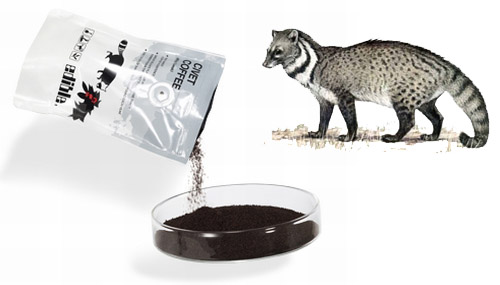
Civet coffee, sold as kopi luwak in Indonesia, is made from coffee cherries that an Asian palm civet has eaten and, well, passed. The beans are collected from the droppings, cleaned and roasted. During the trip through the civet, digestive enzymes break down some of the proteins in the beans, which fans say makes the coffee smoother and less bitter.
The romantic version, wild civets picking only the ripest cherries, is mostly a thing of the past. As demand grew, many producers switched to farms that keep civets in small battery cages and force-feed them cherries. Investigations by the BBC and PETA found poor welfare and plenty of mislabelled “wild” coffee, so it’s hard to know what you’re actually buying.
If you want an unusual coffee story without the cage guilt, look for certified wild-sourced beans or skip it and order a very good normal espresso. Your barista will cope.
Stay caffeinated with football-player-flavoured soda (don’t) or explore Weird Eats.
From the 2006 original
This is the worlds rarest type of coffee, and only 500kg of it is produced each year. What makes the coffee particularly special, is te taste it gathers while going through the digestion of a civet cat.
Civet cats are wild animals, which roam the coffee plantations in Sumatra, picking and eating only the most delicious coffee berries from the local plantations. The droppings of the civet cat are thereafter collected from the area, from which this very special type of coffee is later produced.
Cive coffee is available from example this web shop at the price of about $40,- for 57 grams of the delicacy.